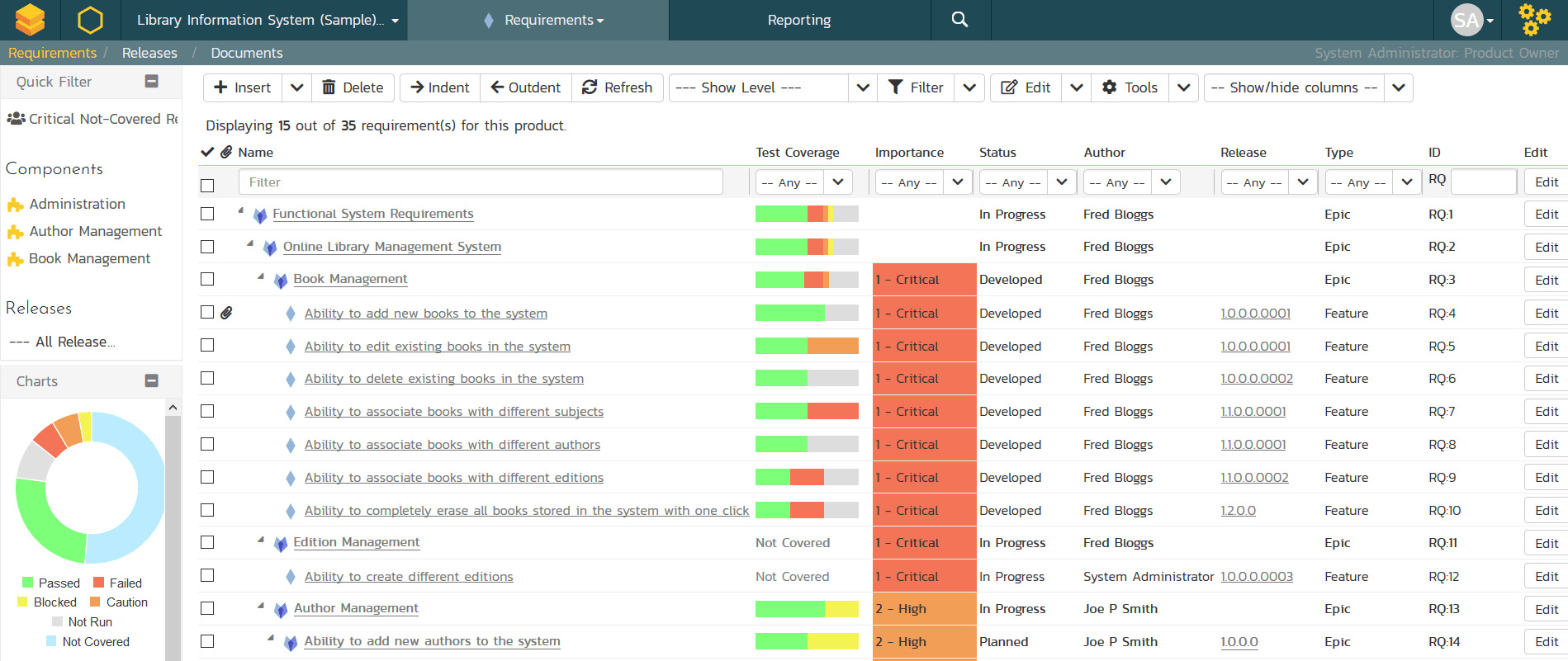
Quality evidence is most useful when it appears where delivery decisions are made. Inflectra has expanded its Azure DevOps integration with embedded test coverage visibility, bringing a test management signal closer to the work that developers, product owners, QA teams, and release managers coordinate every day.
For enterprise teams, this is about making coverage part of normal delivery conversations. A backlog item, sprint commitment, release candidate, or production readiness review can include a clearer discussion of the testing associated with that work. The integration also provides an alternative to Azure Test Plans for organizations evaluating how their Azure DevOps process should connect to broader test management practices.
Embedded test coverage visibility in Azure DevOps
Embedded test coverage visibility makes test coverage available within the Azure DevOps context. Instead of treating quality information as a separate activity reviewed after development work has moved forward, teams can bring that information into planning and delivery workflows.
This matters in complex portfolios where a release includes work from several product squads. Product owners need to understand whether planned work has associated testing. QA leads need to identify areas for regression attention. Developers need enough context to resolve issues or clarify acceptance expectations while the work is still active.
Example 1: Stronger enterprise release governance
Consider a quarterly release containing updates to customer onboarding, identity workflows, and reporting. Each area has different business criticality and different compliance exposure. Embedded coverage visibility gives the release manager and quality lead a shared signal to use in readiness reviews.
They can use it to focus the conversation on coverage associated with the work entering the release. That supports a risk-based testing approach: critical identity changes can receive closer scrutiny, while lower-risk reporting changes follow the agreed regression process. Leaders receive a more traceable explanation of how quality readiness was assessed alongside delivery scope.
Example 2: Faster daily coordination across QA and development
A developer working on an Azure DevOps item can participate in a more informed conversation with the assigned tester and product owner. When scope changes during a sprint, the team can review the related coverage context as part of deciding whether test work, acceptance criteria, or release plans require adjustment.
For a QA engineer, this reduces the time spent reconstructing delivery context across separate discussions. For a test lead, it helps prioritize regression work around active changes. For a product owner, it creates a direct connection between delivered scope and the quality activities expected before release.
Use coverage signals in the release workflow
Mature teams should treat embedded coverage as an input to decisions rather than a standalone metric. Coverage visibility works best when teams define how it will be used at specific points in the SDLC:
- Sprint planning: Confirm that planned work has clear testing ownership and expected coverage.
- Change review: Reassess testing when a work item changes materially during implementation.
- Regression planning: Direct limited test capacity toward high-risk changes and dependent workflows.
- Release readiness: Review coverage context with known issues, delivery scope, and agreed quality criteria.
- Leadership reporting: Provide engineering and audit leaders with evidence tied to the work delivered, rather than isolated test activity totals.
This operating model preserves the roles teams already have. Developers remain accountable for delivery quality, QA engineers manage test design and execution strategy, product owners clarify business intent, and release managers coordinate readiness decisions. The Azure DevOps integration gives those roles a shared place to use test coverage information.
Adoption considerations for enterprise teams
The first step is to map the current path from Azure DevOps work to test activity and release approval. Identify which stakeholders need coverage visibility, when they need it, and what follow-up action is expected when coverage requires discussion. This keeps the integration connected to real controls instead of becoming another dashboard that teams visit after decisions are complete.
Teams should also agree on a small initial scope. A high-change product area or a release train with established governance can provide a practical pilot. Measure whether QA and development discussions happen earlier, whether regression selection becomes clearer, and whether release reviews produce stronger evidence.
For teams evaluating the Inflectra platform, review Inflectra solutions and Spira in the context of existing Azure DevOps processes. Implementation should account for test management practices, release governance, and practitioner adoption from the start.
Turning visibility into delivery discipline
Embedded test coverage visibility gives enterprises a more direct link between development activity and quality evidence in Azure DevOps. That link helps teams make better-informed decisions during sprint execution, regression cycles, and release reviews.
Merito is an authorized Inflectra reseller and services partner, listed as a Platinum partner in the Inflectra partner directory. Merito can help teams fast-track adoption through implementation services, role-based training and enablement, and ongoing managed services. Leaders should begin by selecting a pilot workflow, defining coverage review points, and establishing the release decisions that the new visibility must support.